Buy brazilyellowpages.com ?
We are moving the project
brazilyellowpages.com .
Are you interested in purchasing the domain
brazilyellowpages.com ?
domain@kv-gmbh.de · 0541-91531010
Buy brazilyellowpages.com ?
Why is leadership in companies often so toxic?
Leadership in companies is often toxic due to a variety of factors. One reason is that some leaders prioritize their own success and power over the well-being of their employees, creating a toxic work environment. Additionally, toxic leadership can stem from a lack of accountability and transparency, allowing for unethical behavior to go unchecked. Furthermore, toxic leadership can also be a result of a culture that values aggressive and cutthroat behavior, leading to a lack of empathy and compassion in the workplace. Overall, toxic leadership in companies can be attributed to a combination of individual, cultural, and systemic factors. **
What does price leadership mean?
Price leadership refers to a situation in which a dominant firm in an industry sets the price for its products or services, and other firms in the market follow suit. This dominant firm has significant market power and influence, allowing it to effectively control pricing decisions within the industry. Price leadership can help stabilize prices in the market and reduce price competition among firms, ultimately leading to a more predictable and orderly market environment. **
Similar search terms for Leadership
Top-Angebote
Products related to Leadership:
-
Harper Business Tribal Leadership by Dave Logan, John King & Halee Fischer-Wright – Build a Thriving OrganizationTribal Leadership: Leveraging Natural Groups to Build a Thriving Organization In "Tribal Leadership", management consultants Dave Logan and John King show corporate leaders how they can use tribes - the groups that naturally form within any company - to maximize productivity and profit within their own firms. Based on a rigorous eight-year study that covered more than two dozen companies and 24,000 people, "Tribal Leadership" includes interviews with leading business figures such as Brian France, chairman and CEO of NASCAR, and Dilbert creator Scott Adams, and shows leaders from companies of any size and of any industry that the health and success of their firms ultimately depend on the hundreds of tribes within.2,99 £*Shipping: 1,99 £Secure redirect to the provider
-
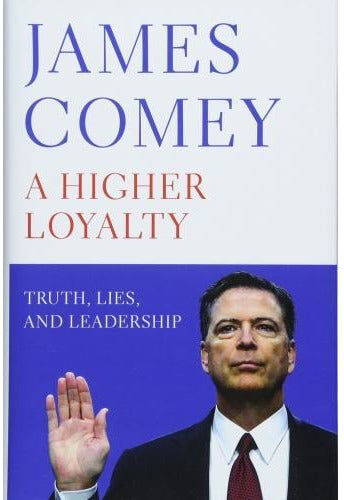
MACMILLAN A Higher Loyalty - Truth Lies And LeadershipA Higher Loyalty: Truth, Lies, and Leadership In his Number One bestselling memoir, former FBI director James Comey shares his never-before-told experiences from some of the highest-stakes situations of his career in the past two decades of American government, exploring what good, ethical leadership looks like, and how it drives sound decisions. His journey provides an unprecedented entry into the corridors of power, and a remarkable lesson in what makes an effective leader. Mr. Comey served as director of the FBI from 2013 to 2017, appointed to the post by President Barack Obama. He previously served as U.S. attorney for the Southern District of New York, and the U.S. deputy attorney general in the administration of President George W. Bush. From prosecuting the Mafia and Martha Stewart to helping change the Bush administration's policies on torture and electronic surveillance, overseeing the Hillary Clinton e-mail investigation as well as ties between the Trump campaign and Russia, Comey has been involved in some of the most consequential cases and policies of recent history.5,99 £*Shipping: 2,99 £Secure redirect to the provider
-
Piatkus Fierce Leadership By Susan Scott Fierce ConversationsFierce Leadership By Susan Scott Fierce Conversations For years, these mantras have been blindly adopted by business leaders everywhere but, as Susan Scott shows, these so-called best practices are ineffectual, cost companies vast sums and drive away the most valuable employees and customers. Yet they are so deeply ingrained in our organisational culture that no one has questioned them, until now. Informed by over a decade of research and work with CEOs and senior executives of the world's leading companies, Susan Scott reveals why these established practices are so wrongheaded and shows you how to spot the signs that you are falling prey to them and why they are adversely affecting your business. She then, in her direct, no-nonsense style, suggests a series of surprising and smart alternatives that you should put in their place.1,99 £*Shipping: 1,99 £Secure redirect to the provider
-
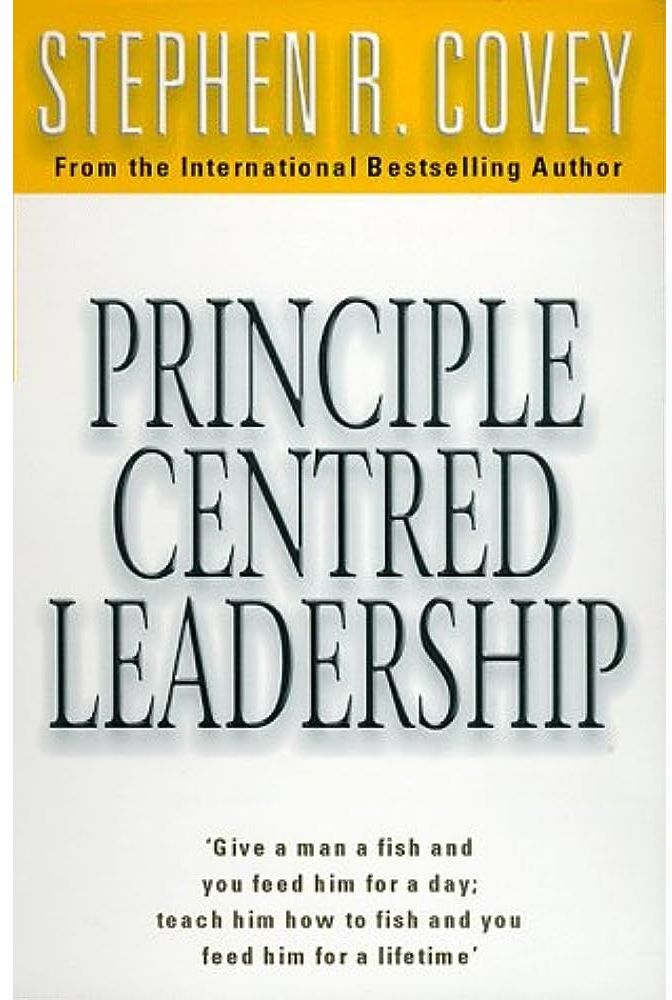
Simon & Schuster Principle Centred Leadership by Stephen R CoveyPRINCIPLE CENTRED LEADERSHIP will help solve these dilemmas - and many others:* how do we achieve a wise and renewing balance between work and family in the midst of constant pressures and crises?* how do we unleash the creativity, talent and energy of the vast majority of the work force, whose jobs neither require nor reward such resources?* how can we have a culture characterised by change, flexibility and continuous improvement and still maintain a sense of stability and security?* how do we create team spirit and harmony among people and departments that have been criticising and attacking each other for years?* how do we get people and culture aligned with strategy, so that everyone in an organisation is as committed to the strategy as those who formulated it?6,99 £*Shipping: 2,99 £Secure redirect to the provider


-
Is such a leadership good?
Such a leadership style can be effective in certain situations, such as during times of crisis or when quick decisions need to be made. However, it can also lead to a lack of input from team members, decreased morale, and a lack of creativity and innovation. In the long run, a more collaborative and inclusive leadership approach may be more beneficial for fostering a positive work environment and achieving sustainable success. **
-
What does better leadership achieve?
Better leadership can achieve improved team morale, increased productivity, and enhanced collaboration among team members. Effective leaders can inspire and motivate their team to work towards common goals, resulting in higher levels of engagement and job satisfaction. Additionally, strong leadership can lead to better decision-making, problem-solving, and overall organizational success. **
-
What is Hitler's leadership principle?
Hitler's leadership principle, as outlined in his book Mein Kampf, was based on the concept of the "Fuhrerprinzip" or the leader principle. This principle emphasized absolute obedience to the leader, who was seen as the ultimate authority and decision-maker. Hitler believed in a hierarchical structure with himself at the top, and expected unwavering loyalty and obedience from his subordinates. This authoritarian leadership style allowed Hitler to consolidate power and control within the Nazi party and the German state. **
-
What is the leadership sector?
The leadership sector refers to the field of study and practice that focuses on developing effective leadership skills and strategies. This sector encompasses various industries and organizations, including business, government, non-profit, and education, where leadership is essential for driving success and achieving goals. Professionals in the leadership sector may work as consultants, coaches, trainers, or in leadership roles within their respective organizations, helping to cultivate strong and impactful leaders. The leadership sector is dedicated to understanding and promoting the qualities and behaviors that make great leaders and fostering environments where leadership can thrive. **
Why is good leadership important?
Good leadership is important because it sets the direction, motivates employees, and helps achieve organizational goals. Effective leaders inspire and empower their team members, fostering a positive work environment and encouraging collaboration. Strong leadership also promotes innovation, problem-solving, and adaptability, which are essential for navigating challenges and driving success in today's dynamic business landscape. Ultimately, good leadership is crucial for building a cohesive and high-performing team that can achieve sustainable growth and long-term success. **
Which degree program do you recommend for a leadership position, Business Administration International Business or Business Informatics?
For a leadership position, I would recommend the Business Administration International Business degree program. This program provides a strong foundation in business principles, management strategies, and global business practices, which are essential skills for effective leadership in a multinational or global organization. While Business Informatics is valuable for understanding the intersection of business and technology, the broader focus of Business Administration International Business would better prepare you for a leadership role that requires a deep understanding of international markets, cultural differences, and strategic decision-making on a global scale. **
Top-Angebote
Products related to Leadership:
-
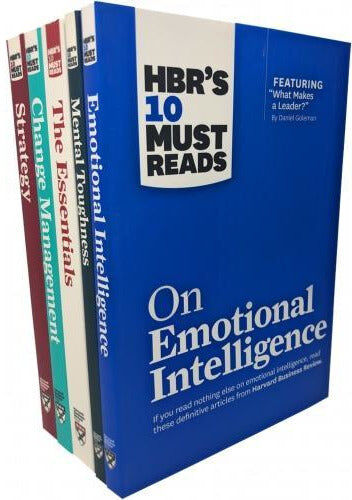
Harvard Business Review Press Harvard Business Review HBR’s 10 Must Reads 5 Book Collection Set – Essential Business, Leadership & Management GuidesHBR's 10 Must Reads 5 Books Collection Set Description On Emotional Intelligence If you read nothing else on emotional intelligence; read these 10 articles by experts in the field. We euro; ve combed through hundreds of articles in the Harvard Business Review archive and selected the most important ones to help you boost your emotional skills euro; and your professional success. Mental Toughness If you read nothing else on mental toughness; read these ten articles by experts in the field. We've combed through hundreds of articles in the Harvard Business Review archive and selected the most important ones to help you build your emotional strength and resilience--and to achieve high performance. The Essentials Change is the one constant in business; and we must adapt or face obsolescence. Yet certain challenges never go away. That's what makes this book 'must read.' These are the 10 seminal articles by management's most influential experts; on topics of perennial concern to ambitious managers and leaders hungry for inspiration--and ready to run with big ideas to accelerate their own and their companies' success. Change Management If you read nothing else on change management; read these 10 articles (featuring 'Leading Change; euro; by John P. Kotter). We've combed through hundreds of Harvard Business Review articles and selected the most important ones to help you spearhead change in your organization. Strategy If you read nothing else on strategy; read these 10 articles (featuring 'What Is Strategy? euro; by Michael E. Porter). We've combed through hundreds of Harvard Business Review articles and selected the most important ones to help you catalyze your organization's strategy development and execution.37,98 £*Shipping: 0,00 £Secure redirect to the provider
-
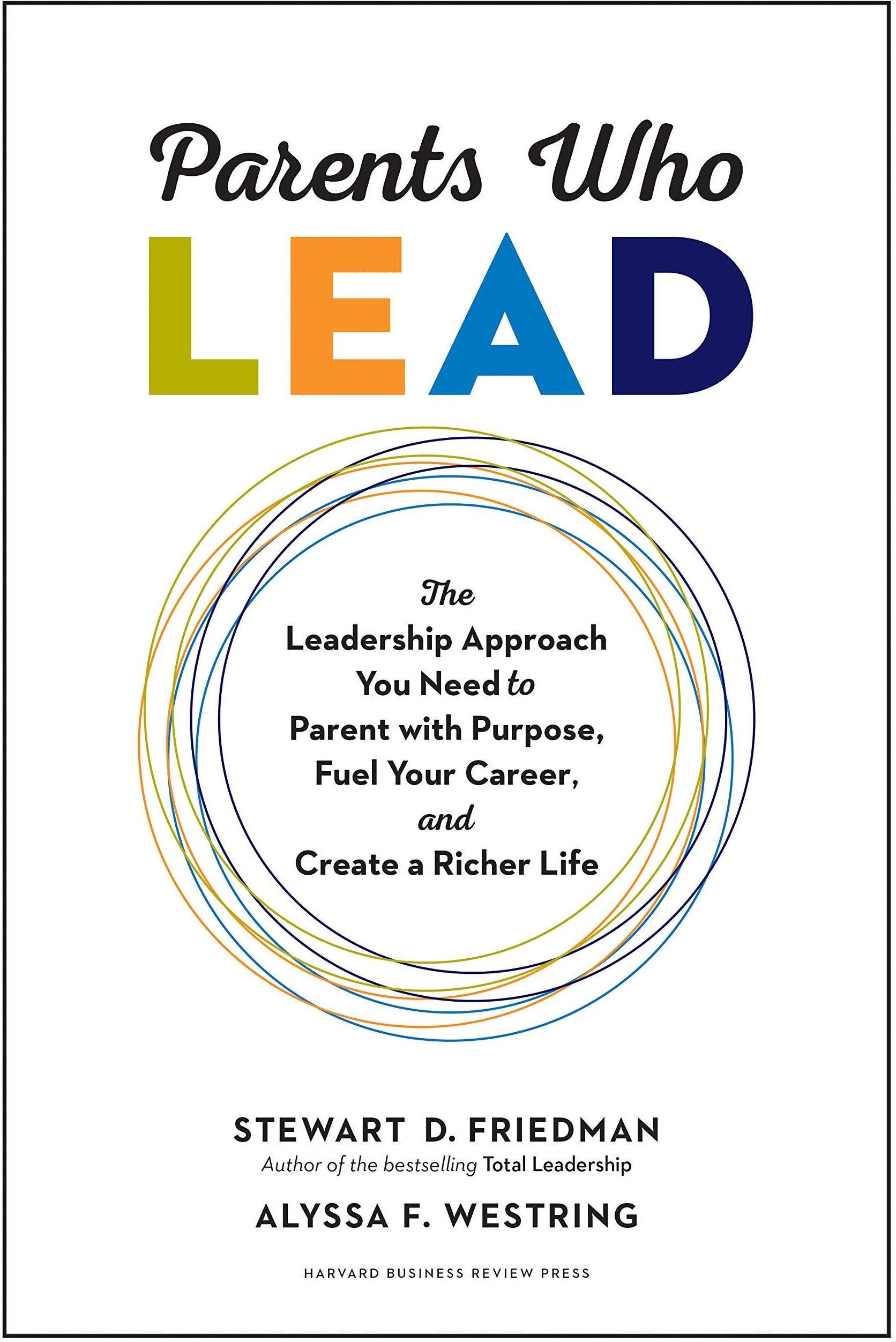
Harvard Business Review Press Parents Who Lead: The Leadership Approach You Need to Parent with PurposeParents in today's fast-paced, disorienting world can easily lose track of who they are and what really matters most. But it doesn't have to be this way. As a parent, you can harness the powerful science of leadership in order to thrive in all aspects of your life. Drawing on the principles of his book Total Leadership--a bestseller and popular leadership development program used in organizations worldwide--and on their experience as researchers, educators, consultants, coaches, and parents, Stew Friedman and coauthor Alyssa Westring offer a robust, proven method that will help you gain a greater sense of purpose and control.8,90 £*Shipping: 2,99 £Secure redirect to the provider
-
Harper Business Tribal Leadership by Dave Logan, John King & Halee Fischer-Wright – Build a Thriving OrganizationTribal Leadership: Leveraging Natural Groups to Build a Thriving Organization In "Tribal Leadership", management consultants Dave Logan and John King show corporate leaders how they can use tribes - the groups that naturally form within any company - to maximize productivity and profit within their own firms. Based on a rigorous eight-year study that covered more than two dozen companies and 24,000 people, "Tribal Leadership" includes interviews with leading business figures such as Brian France, chairman and CEO of NASCAR, and Dilbert creator Scott Adams, and shows leaders from companies of any size and of any industry that the health and success of their firms ultimately depend on the hundreds of tribes within.2,99 £*Shipping: 1,99 £Secure redirect to the provider
-
MACMILLAN A Higher Loyalty - Truth Lies And LeadershipA Higher Loyalty: Truth, Lies, and Leadership In his Number One bestselling memoir, former FBI director James Comey shares his never-before-told experiences from some of the highest-stakes situations of his career in the past two decades of American government, exploring what good, ethical leadership looks like, and how it drives sound decisions. His journey provides an unprecedented entry into the corridors of power, and a remarkable lesson in what makes an effective leader. Mr. Comey served as director of the FBI from 2013 to 2017, appointed to the post by President Barack Obama. He previously served as U.S. attorney for the Southern District of New York, and the U.S. deputy attorney general in the administration of President George W. Bush. From prosecuting the Mafia and Martha Stewart to helping change the Bush administration's policies on torture and electronic surveillance, overseeing the Hillary Clinton e-mail investigation as well as ties between the Trump campaign and Russia, Comey has been involved in some of the most consequential cases and policies of recent history.5,99 £*Shipping: 2,99 £Secure redirect to the provider
-
Why is leadership in companies often so toxic?
Leadership in companies is often toxic due to a variety of factors. One reason is that some leaders prioritize their own success and power over the well-being of their employees, creating a toxic work environment. Additionally, toxic leadership can stem from a lack of accountability and transparency, allowing for unethical behavior to go unchecked. Furthermore, toxic leadership can also be a result of a culture that values aggressive and cutthroat behavior, leading to a lack of empathy and compassion in the workplace. Overall, toxic leadership in companies can be attributed to a combination of individual, cultural, and systemic factors. **
-
What does price leadership mean?
Price leadership refers to a situation in which a dominant firm in an industry sets the price for its products or services, and other firms in the market follow suit. This dominant firm has significant market power and influence, allowing it to effectively control pricing decisions within the industry. Price leadership can help stabilize prices in the market and reduce price competition among firms, ultimately leading to a more predictable and orderly market environment. **
-
Is such a leadership good?
Such a leadership style can be effective in certain situations, such as during times of crisis or when quick decisions need to be made. However, it can also lead to a lack of input from team members, decreased morale, and a lack of creativity and innovation. In the long run, a more collaborative and inclusive leadership approach may be more beneficial for fostering a positive work environment and achieving sustainable success. **
-
What does better leadership achieve?
Better leadership can achieve improved team morale, increased productivity, and enhanced collaboration among team members. Effective leaders can inspire and motivate their team to work towards common goals, resulting in higher levels of engagement and job satisfaction. Additionally, strong leadership can lead to better decision-making, problem-solving, and overall organizational success. **
Similar search terms for Leadership
-
Piatkus Fierce Leadership By Susan Scott Fierce ConversationsFierce Leadership By Susan Scott Fierce Conversations For years, these mantras have been blindly adopted by business leaders everywhere but, as Susan Scott shows, these so-called best practices are ineffectual, cost companies vast sums and drive away the most valuable employees and customers. Yet they are so deeply ingrained in our organisational culture that no one has questioned them, until now. Informed by over a decade of research and work with CEOs and senior executives of the world's leading companies, Susan Scott reveals why these established practices are so wrongheaded and shows you how to spot the signs that you are falling prey to them and why they are adversely affecting your business. She then, in her direct, no-nonsense style, suggests a series of surprising and smart alternatives that you should put in their place.1,99 £*Shipping: 1,99 £Secure redirect to the provider
-
Simon & Schuster Principle Centred Leadership by Stephen R CoveyPRINCIPLE CENTRED LEADERSHIP will help solve these dilemmas - and many others:* how do we achieve a wise and renewing balance between work and family in the midst of constant pressures and crises?* how do we unleash the creativity, talent and energy of the vast majority of the work force, whose jobs neither require nor reward such resources?* how can we have a culture characterised by change, flexibility and continuous improvement and still maintain a sense of stability and security?* how do we create team spirit and harmony among people and departments that have been criticising and attacking each other for years?* how do we get people and culture aligned with strategy, so that everyone in an organisation is as committed to the strategy as those who formulated it?6,99 £*Shipping: 2,99 £Secure redirect to the provider
-
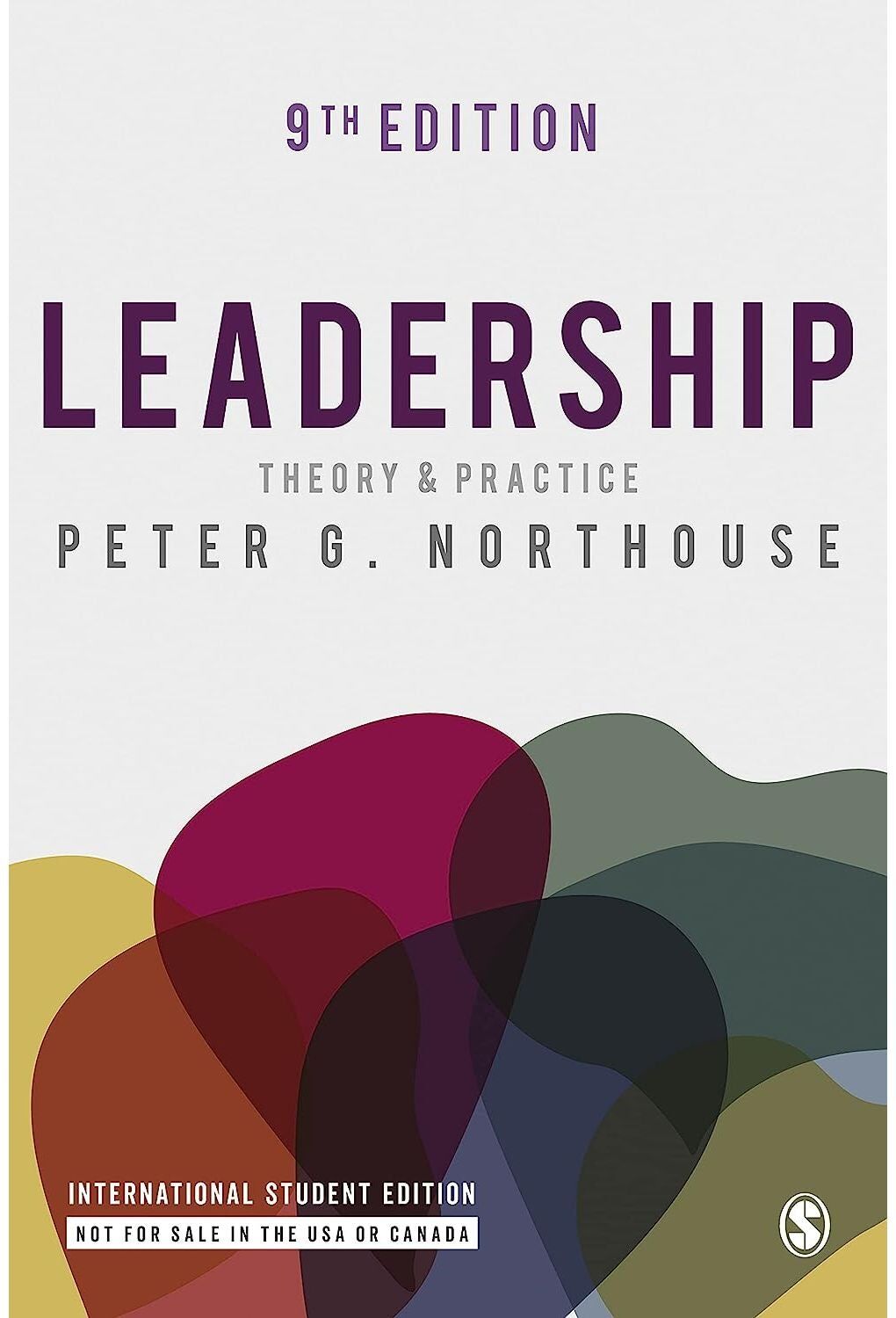
SAGE Publications Leadership - International Student Edition: Theory and PracticeThe market-leading Leadership: Theory and Practice by Peter G. Northouse presents an academically robust account of the major theories and models of leadership with a focus on how theory can inform practice. Case studies and questionnaires provide students with practical examples and opportunities to deepen their understanding of their own leadership style.The fully updated Ninth Edition features a new chapter on inclusive leadership, 17 new real-world cases that profile leaders from across the globe, a new discussion on leadership and morality, and examples of timely issues such as leadership during the COVID-19 pandemic. Key features include: A consistent chapter structure that outlines each approach and the major studies behind them, presents strengths and criticisms for each approach, and provides case studies and a self-assessment questionnaire at the end of each chapter, allowing students to easily compare and contrast the various theories. Three case studies in each chapter help students to apply leadership concepts in real-world scenarios. Self-assessments within each chapter provides self-assessment and reflection opportunities for each theory presented.45,49 £*Shipping: 0,00 £Secure redirect to the provider
-
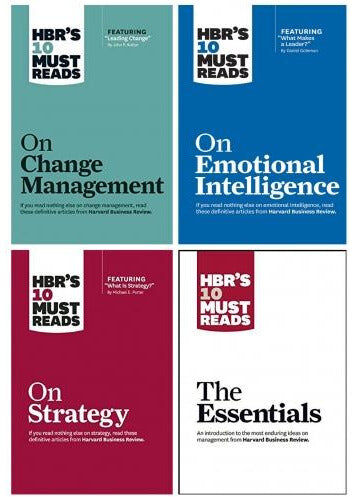
Harvard Business Review Press Hbrs 10 Must Reads Leadership Collection 4 Books Set - The Essentials Emotional Intelligence Strat..HBRs 10 Must Reads Leadership Collection 4 Books Set Description Change Management If you read nothing else on change management; read these 10 articles (featuring 'Leading Change; by John P. Kotter). We have combed through hundreds of Harvard Business Review articles and selected the most important ones to help you spearhead change in your organization. HBRs 10 Must Reads on Change Management will inspire you to: Lead change through eight critical stages Establish a sense of urgency Overcome addiction to the status quo Mobilize commitment Silence naysayers Minimize the pain of change Concentrate resources Motivate change when business is good Strategy If you read nothing else on strategy; read these 10 articles (featuring 'What Is Strategy? by Michael E. Porter). We have combed through hundreds of Harvard Business Review articles and selected the most important ones to help you catalyze your organization's strategy development and execution. HBRs 10 Must Reads on Strategy will inspire you to: Distinguish your company from rivals Clarify what your company will and won't do Craft a vision for an uncertain future Create blue oceans of uncontested market space Use the Balanced Scorecard to measure your strategy Capture your strategy in a memorable phrase Make priorities explicit Allocate resources early Clarify decision rights for faster decision making The Essentials Change is the one constant in business; and we must adapt or face obsolescence. Yet certain challenges never go away. Thats what makes this book 'must read.' These are the 10 seminal articles by managements most influential experts; on topics of perennial concern to ambitious managers and leaders hungry for inspiration--and ready to run with big ideas to accelerate their own and their companies success. If you read nothing else - full stop - read: Michael Porter on creating competitive advantage and distinguishing your company from rivals John Kotter on leading change through eight critical stages Daniel Goleman on using emotional intelligence to maximize performance Peter Drucker on managing your career by evaluating your own strengths and weaknesses Clay Christensen on orchestrating innovation within established organizations Tom Davenport on using analytics to determine how to keep your customers loyal Robert Kaplan and David Norton on measuring your company's strategy with the Balanced Scorecard Rosabeth Moss Kanter on avoiding common mistakes when pushing innovation forward Ted Levitt on understanding who your customers are and what they really want C. K. Prahalad and Gary Hamel on identifying the unique; integrated systems that support your strategy Emotional Intelligence If you read nothing else on emotional intelligence; read these 10 articles by experts in the field. We have combed through hundreds of articles in the Harvard Business Review archive and selected the most important ones to help you boost your emotional skills and your professional success. This book will inspire...34,95 £*Shipping: 2,99 £Secure redirect to the provider
-
What is Hitler's leadership principle?
Hitler's leadership principle, as outlined in his book Mein Kampf, was based on the concept of the "Fuhrerprinzip" or the leader principle. This principle emphasized absolute obedience to the leader, who was seen as the ultimate authority and decision-maker. Hitler believed in a hierarchical structure with himself at the top, and expected unwavering loyalty and obedience from his subordinates. This authoritarian leadership style allowed Hitler to consolidate power and control within the Nazi party and the German state. **
-
What is the leadership sector?
The leadership sector refers to the field of study and practice that focuses on developing effective leadership skills and strategies. This sector encompasses various industries and organizations, including business, government, non-profit, and education, where leadership is essential for driving success and achieving goals. Professionals in the leadership sector may work as consultants, coaches, trainers, or in leadership roles within their respective organizations, helping to cultivate strong and impactful leaders. The leadership sector is dedicated to understanding and promoting the qualities and behaviors that make great leaders and fostering environments where leadership can thrive. **
-
Why is good leadership important?
Good leadership is important because it sets the direction, motivates employees, and helps achieve organizational goals. Effective leaders inspire and empower their team members, fostering a positive work environment and encouraging collaboration. Strong leadership also promotes innovation, problem-solving, and adaptability, which are essential for navigating challenges and driving success in today's dynamic business landscape. Ultimately, good leadership is crucial for building a cohesive and high-performing team that can achieve sustainable growth and long-term success. **
-
Which degree program do you recommend for a leadership position, Business Administration International Business or Business Informatics?
For a leadership position, I would recommend the Business Administration International Business degree program. This program provides a strong foundation in business principles, management strategies, and global business practices, which are essential skills for effective leadership in a multinational or global organization. While Business Informatics is valuable for understanding the intersection of business and technology, the broader focus of Business Administration International Business would better prepare you for a leadership role that requires a deep understanding of international markets, cultural differences, and strategic decision-making on a global scale. **
* All prices are inclusive of VAT and, if applicable, plus shipping costs. The offer information is based on the details provided by the respective shop and is updated through automated processes. Real-time updates do not occur, so deviations can occur in individual cases. ** Note: Parts of this content were created by AI.