Buy brazilyellowpages.com ?
We are moving the project
brazilyellowpages.com .
Are you interested in purchasing the domain
brazilyellowpages.com ?
domain@kv-gmbh.de · 0541-91531010
Buy brazilyellowpages.com ?
Why do galaxies rotate?
Galaxies rotate due to the conservation of angular momentum. As the gas and dust that make up a galaxy collapse under gravity to form stars and other structures, any initial rotation present in the material is amplified. This rotation causes the galaxy to spin around its center of mass. The rotation of galaxies also helps to maintain their overall shape and stability. **
Are there other galaxies?
Yes, there are other galaxies besides our own Milky Way. Scientists estimate that there are billions of galaxies in the universe, each containing billions of stars. Some of the closest galaxies to us include the Andromeda Galaxy and the Triangulum Galaxy. The study of these other galaxies helps us understand the vastness and diversity of the universe. **

Similar search terms for Galaxies
Top-Angebote
Products related to Galaxies:
-
Usborne Lift-The-Flap Look Inside: Space by Rob Lloyd Jones - An interactive lift-the-flap introduction to galaxies, stars and the moon for young chilWhy do stars shine? And how was the moon made? Children can blast off into space with this fantastic interactive flap book revealing the secrets of the Universe. Vibrant illustrations and simple explanations combined with over 70 flaps to lift. Each double page covers a different topic, including 'Glittering galaxies', 'On the Moon' and 'Space Station'.5,99 £*Shipping: 2,99 £Secure redirect to the provider
-
Microsoft Remote Desktop Services (RDS) 2019PLEASE NOTE: RDS CAL licences require technical activation in Server Manager. These licences are not the CAL versions required for Microsoft audits – a serial number is provided for activating user or device CALs in Windows Server environments. Windows Server Remote Desktop Services 2019 is a component of the Windows Server operating system that allows users to access applications and desktops remotely. It provides a secure and scalable solution for delivering virtual desktops, session-based desktops, and remote applications to users across different devices. Here is a detailed description of Windows Server Remote Desktop Services 2019: Remote Desktop Session Host (RDSH): RDSH is a role in Windows Server that enables multiple users to access Windows desktops and applications simultaneously on a Remote Desktop Session Host server. It allows for session-based desktop deployments where users connect to a shared server and run their applications within separate sessions. Remote Desktop Virtualization Host (RDVH): RDVH is a role in Windows Server that allows for the deployment of virtual desktop infrastructure (VDI). It enables users to connect to individual virtual machines running Windows and access a personalized desktop experience. RDVH supports both pooled and personal virtual desktop deployments. Remote Desktop Web Access (RD Web Access): RD Web Access is a web-based portal that provides users with access to RemoteApp programs, virtual desktops, and session-based desktops through a web browser. Users can launch applications and desktops without the need to install any additional software on their local devices. Remote Desktop Gateway (RD Gateway): RD Gateway acts as a secure gateway between remote clients and the internal network, providing a secure connection for remote desktop and application access. It uses the Remote Desktop Protocol (RDP) over HTTPS to establish encrypted connections and authenticate users before granting access to internal resources. Remote Desktop Connection Broker (RD Connection Broker): RD Connection Broker is responsible for load balancing and connection brokering in a Remote Desktop Services deployment. It ensures that users are connected to their existing sessions when reconnecting and distributes new connection requests across multiple session hosts for optimal resource utilization. Licensing: Remote Desktop Services requires appropriate licensing to ensure compliance. In the case of Windows Server 2019, you would need Remote Desktop Services Client Access Licenses (RDS CALs) to allow users or devices to access the server. There are both User CALs and Device CALs available, depending on the licensing model that suits your organization's needs. Overall, Windows Server Remote Desktop Services 2019 provides a comprehensive solution for remote access to applications and desktops, offering flexibility, security, and centralized management capabilities. It enables organizations to deliver a seamless and productive remote...68,90 £*Shipping: 0,00 £Secure redirect to the provider
-
Microsoft Remote Desktop Services 2025 (RDS)PLEASE NOTE: RDS CAL licences require technical activation in Server Manager. These licences are not the CAL versions required for Microsoft audits – a serial number is provided for activating user or device CALs in Windows Server environments. Microsoft Remote Desktop Services (RDS) licences for the 2025 edition represent a significant step towards innovation and efficiency in IT infrastructure management. Designed to optimise remote access and application virtualisation, these licences offer a range of advanced features and capabilities that can transform the way businesses operate. Innovation and Security Advanced Security: Windows Server 2025 introduces multi-layered security with features such as Credential Guard, which protects user credentials, and Hotpatch, which allows security updates to be applied without the need for a reboot. These innovations are key to preventing cyber-attacks and ensuring the protection of sensitive data13. HybridCloud Integration: The new RDS licences support simplified resource management in hybrid cloud environments, allowing businesses to easily connect local servers to Microsoft Azure. This integration unlocks the full potential of the cloud, improving scalability and flexibility of business operations13. Key Features Optimised Remote Access: RDS allows users to access desktops and applications from anywhere, improving productivity and collaboration across distributed teams. Thanks to application virtualisation, users can use software without having to install it locally46. Consistent User Interface: The user experience has been improved with an interface that reflects the Windows 11 style, making access to remote desktop services more intuitive. Features such as Bluetooth and Wi-Fi are now integrated, further facilitating connections34. Flexible Licensing: Client Access Licences ( CALs ) are available in various models, including per-device and per-user, allowing companies to choose the option that best suits their operational needs. This flexible approach facilitates the management of licences across multiple devices56. Product Capabilities RDS licences for Windows Server 2025 not only improve security and accessibility, but also offer significant opportunities to optimise operational costs. With centralised application management and simplified access to corporate resources, organisations can reduce downtime and improve overall efficiency. In summary, Microsoft Remote Desktop Services 2025 is a state-of-the-art solution for businesses looking to modernise their IT infrastructure while ensuring security, flexibility and high performance. With these licences, organisations can meet the challenges of modern remote working with confidence and preparedness.111,90 £*Shipping: 0,00 £Secure redirect to the provider
-
Microsoft Remote Desktop Services (RDS) 2022PLEASE NOTE: RDS CAL licences require technical activation in Server Manager. These licences are not the CAL versions required for Microsoft audits – a serial number is provided for activating user or device CALs in Windows Server environments. Windows Server Remote Desktop Services (RDS) 2022 is a powerful server-based virtualization technology that enables users to access Windows desktops, applications, and data remotely from various devices. It allows organizations to deliver a rich virtual desktop infrastructure (VDI) or session-based desktops to end-users, providing a flexible and secure remote computing solution. Key Features of Windows Server Remote Desktop Services 2022: Virtual Desktop Infrastructure (VDI): Windows Server RDS 2022 allows administrators to create and manage virtual desktops that can be accessed remotely by end-users. VDI enables personalized desktop experiences and allows users to access their virtual desktops from different devices, providing a consistent and productive environment. Session-based Desktops: In addition to VDI, RDS 2022 supports session-based desktops. Session-based desktops enable multiple users to share a single server operating system while maintaining separate user sessions. This allows efficient utilization of server resources and enables cost-effective desktop delivery. RemoteApp: With RemoteApp, administrators can virtualize and deliver individual applications from a server to end-user devices. RemoteApp provides a seamless application experience, allowing users to access specific applications without the need to access an entire desktop. This feature enhances flexibility and simplifies application management. RemoteFX: RemoteFX is a technology included in Windows Server RDS 2022 that enhances the remote desktop experience by providing high-quality multimedia and graphics capabilities. It enables smooth video playback, USB redirection, and multi-monitor support, making the remote desktop experience feel more like a local desktop environment. Remote Desktop Gateway: The Remote Desktop Gateway (RD Gateway) component in RDS 2022 allows secure remote access to internal network resources over the internet. It acts as a gateway server that provides a single point of entry for remote desktop connections, ensuring encrypted and authenticated access to virtual desktops or session-based desktops. Remote Desktop Web Access: RDS 2022 includes a web-based portal called Remote Desktop Web Access (RD Web Access) that allows users to access their virtual desktops, RemoteApp programs, and published resources through a web browser. It provides a convenient and platform-independent way for users to connect to their remote desktops and applications. Scalability and Load Balancing: Windows Server RDS 2022 supports scaling and load balancing to optimize resource utilization and ensure high availability. Administrators can distribute user sessions across multiple servers, ensuring efficient use of hardware resources and...102,90 £*Shipping: 0,00 £Secure redirect to the provider



-
What are spiral galaxies?
Spiral galaxies are a type of galaxy characterized by their distinctive spiral arms that extend outwards from a central bulge. These arms are made up of stars, gas, and dust, and they give the galaxy a pinwheel-like appearance. Spiral galaxies are often found to be relatively young and active, with ongoing star formation occurring in their arms. Our own Milky Way galaxy is a spiral galaxy. **
-
Why are galaxies flat?
Galaxies are flat because of the way they form and rotate. When galaxies form, the gas and dust that make them up collapse into a spinning disk shape due to the conservation of angular momentum. This spinning motion causes the material to flatten out into a disk, much like how pizza dough flattens out when spun. The gravitational forces within the galaxy also contribute to this flat shape, as they pull the material towards the center of the galaxy, further flattening it out. **
-
Why are galaxies disk-shaped?
Galaxies are disk-shaped because of the way they form and evolve. When galaxies form, the gas and dust that make them up collapse under gravity, and as they spin, they flatten out into a disk shape. This is due to the conservation of angular momentum, which causes the material to flatten into a spinning disk as it collapses. Over time, the gravitational forces within the galaxy also help to maintain this disk shape. Additionally, the presence of a supermassive black hole at the center of many galaxies can also contribute to the disk shape by influencing the motion of stars and gas within the galaxy. **
-
What do galaxies revolve around?
Galaxies do not revolve around a single point or object. Instead, galaxies are part of galaxy clusters, which are groups of galaxies bound together by gravity. These galaxy clusters can revolve around a common center of mass, which is determined by the combined gravitational forces of all the galaxies within the cluster. Additionally, galaxies themselves can also rotate around their own centers, with stars and other celestial bodies within the galaxies orbiting around the galactic center. **


Which telescope is suitable for galaxies?
A telescope with a large aperture and high magnification is suitable for observing galaxies. The large aperture allows for more light to enter the telescope, making it easier to observe the faint light emitted by distant galaxies. High magnification helps to bring out the details and structure of the galaxies, allowing for a more detailed observation. Telescopes with good image quality and low levels of distortion are also important for observing galaxies, as they can be quite faint and distant. **
Where can one see other galaxies?
Other galaxies can be seen from Earth using telescopes, both ground-based and space-based. Observatories such as the Hubble Space Telescope and the James Webb Space Telescope have provided stunning images of distant galaxies. Amateur astronomers can also observe other galaxies using smaller telescopes and even binoculars, especially in areas with low light pollution. Additionally, some planetariums and science centers offer programs and exhibits that showcase images and information about other galaxies. **
Top-Angebote
Products related to Galaxies:
-
Antonina Vella Galaxies Blue WallpaperSculptural shapes create a universe of textural, raised, freeform silhouettes on modern color in pattern Galaxies. This Galaxies Wallpaper measures approximately 27 inches wide by 27 feet long, covering About 60.8 square feet per roll.187,00 $*Shipping: 0,00 $Secure redirect to the provider
-
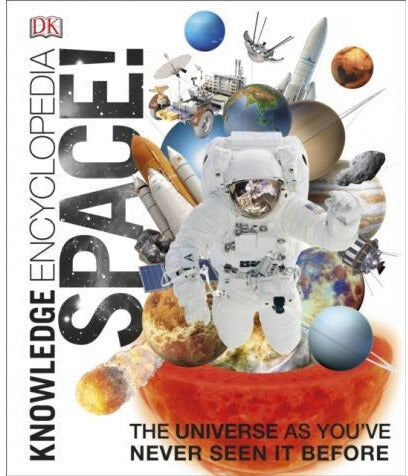
Dorling Kindersley DK Knowledge Encyclopedia Space The Ultimate Space & Astronomy Reference Guide for Kids and Families - Planets, Stars, Galaxies & the Universe ExplainExplore the wonders of the universe with the DK Knowledge Encyclopedia Space, an inspiring and visually stunning guide to outer space.Packed with high-definition photographs, 3D illustrations, infographics, facts, timelines, and scientific explanations, this encyclopedia takes readers on an unforgettable journey from Earth to the farthest reaches of the cosmos. Perfect for curious readers, young astronomers, and space enthusiasts, this book explains: The solar system, planets, moons, and dwarf planets Stars, nebulas, black holes, galaxies & cosmic phenomena Space exploration, astronauts & spacecraft The Big Bang, universe evolution & future missions The latest science discoveries explained in kid-friendly language A brilliant educational book for STEM learners, classrooms, home libraries, and children aged 8–14 who love space.9,99 £*Shipping: 2,99 £Secure redirect to the provider
-
Usborne Lift-The-Flap Look Inside: Space by Rob Lloyd Jones - An interactive lift-the-flap introduction to galaxies, stars and the moon for young chilWhy do stars shine? And how was the moon made? Children can blast off into space with this fantastic interactive flap book revealing the secrets of the Universe. Vibrant illustrations and simple explanations combined with over 70 flaps to lift. Each double page covers a different topic, including 'Glittering galaxies', 'On the Moon' and 'Space Station'.5,99 £*Shipping: 2,99 £Secure redirect to the provider
-
Microsoft Remote Desktop Services (RDS) 2019PLEASE NOTE: RDS CAL licences require technical activation in Server Manager. These licences are not the CAL versions required for Microsoft audits – a serial number is provided for activating user or device CALs in Windows Server environments. Windows Server Remote Desktop Services 2019 is a component of the Windows Server operating system that allows users to access applications and desktops remotely. It provides a secure and scalable solution for delivering virtual desktops, session-based desktops, and remote applications to users across different devices. Here is a detailed description of Windows Server Remote Desktop Services 2019: Remote Desktop Session Host (RDSH): RDSH is a role in Windows Server that enables multiple users to access Windows desktops and applications simultaneously on a Remote Desktop Session Host server. It allows for session-based desktop deployments where users connect to a shared server and run their applications within separate sessions. Remote Desktop Virtualization Host (RDVH): RDVH is a role in Windows Server that allows for the deployment of virtual desktop infrastructure (VDI). It enables users to connect to individual virtual machines running Windows and access a personalized desktop experience. RDVH supports both pooled and personal virtual desktop deployments. Remote Desktop Web Access (RD Web Access): RD Web Access is a web-based portal that provides users with access to RemoteApp programs, virtual desktops, and session-based desktops through a web browser. Users can launch applications and desktops without the need to install any additional software on their local devices. Remote Desktop Gateway (RD Gateway): RD Gateway acts as a secure gateway between remote clients and the internal network, providing a secure connection for remote desktop and application access. It uses the Remote Desktop Protocol (RDP) over HTTPS to establish encrypted connections and authenticate users before granting access to internal resources. Remote Desktop Connection Broker (RD Connection Broker): RD Connection Broker is responsible for load balancing and connection brokering in a Remote Desktop Services deployment. It ensures that users are connected to their existing sessions when reconnecting and distributes new connection requests across multiple session hosts for optimal resource utilization. Licensing: Remote Desktop Services requires appropriate licensing to ensure compliance. In the case of Windows Server 2019, you would need Remote Desktop Services Client Access Licenses (RDS CALs) to allow users or devices to access the server. There are both User CALs and Device CALs available, depending on the licensing model that suits your organization's needs. Overall, Windows Server Remote Desktop Services 2019 provides a comprehensive solution for remote access to applications and desktops, offering flexibility, security, and centralized management capabilities. It enables organizations to deliver a seamless and productive remote...68,90 £*Shipping: 0,00 £Secure redirect to the provider
-
Why do galaxies rotate?
Galaxies rotate due to the conservation of angular momentum. As the gas and dust that make up a galaxy collapse under gravity to form stars and other structures, any initial rotation present in the material is amplified. This rotation causes the galaxy to spin around its center of mass. The rotation of galaxies also helps to maintain their overall shape and stability. **
-
Are there other galaxies?
Yes, there are other galaxies besides our own Milky Way. Scientists estimate that there are billions of galaxies in the universe, each containing billions of stars. Some of the closest galaxies to us include the Andromeda Galaxy and the Triangulum Galaxy. The study of these other galaxies helps us understand the vastness and diversity of the universe. **
-
What are spiral galaxies?
Spiral galaxies are a type of galaxy characterized by their distinctive spiral arms that extend outwards from a central bulge. These arms are made up of stars, gas, and dust, and they give the galaxy a pinwheel-like appearance. Spiral galaxies are often found to be relatively young and active, with ongoing star formation occurring in their arms. Our own Milky Way galaxy is a spiral galaxy. **
-
Why are galaxies flat?
Galaxies are flat because of the way they form and rotate. When galaxies form, the gas and dust that make them up collapse into a spinning disk shape due to the conservation of angular momentum. This spinning motion causes the material to flatten out into a disk, much like how pizza dough flattens out when spun. The gravitational forces within the galaxy also contribute to this flat shape, as they pull the material towards the center of the galaxy, further flattening it out. **
Similar search terms for Galaxies
-
Microsoft Remote Desktop Services 2025 (RDS)PLEASE NOTE: RDS CAL licences require technical activation in Server Manager. These licences are not the CAL versions required for Microsoft audits – a serial number is provided for activating user or device CALs in Windows Server environments. Microsoft Remote Desktop Services (RDS) licences for the 2025 edition represent a significant step towards innovation and efficiency in IT infrastructure management. Designed to optimise remote access and application virtualisation, these licences offer a range of advanced features and capabilities that can transform the way businesses operate. Innovation and Security Advanced Security: Windows Server 2025 introduces multi-layered security with features such as Credential Guard, which protects user credentials, and Hotpatch, which allows security updates to be applied without the need for a reboot. These innovations are key to preventing cyber-attacks and ensuring the protection of sensitive data13. HybridCloud Integration: The new RDS licences support simplified resource management in hybrid cloud environments, allowing businesses to easily connect local servers to Microsoft Azure. This integration unlocks the full potential of the cloud, improving scalability and flexibility of business operations13. Key Features Optimised Remote Access: RDS allows users to access desktops and applications from anywhere, improving productivity and collaboration across distributed teams. Thanks to application virtualisation, users can use software without having to install it locally46. Consistent User Interface: The user experience has been improved with an interface that reflects the Windows 11 style, making access to remote desktop services more intuitive. Features such as Bluetooth and Wi-Fi are now integrated, further facilitating connections34. Flexible Licensing: Client Access Licences ( CALs ) are available in various models, including per-device and per-user, allowing companies to choose the option that best suits their operational needs. This flexible approach facilitates the management of licences across multiple devices56. Product Capabilities RDS licences for Windows Server 2025 not only improve security and accessibility, but also offer significant opportunities to optimise operational costs. With centralised application management and simplified access to corporate resources, organisations can reduce downtime and improve overall efficiency. In summary, Microsoft Remote Desktop Services 2025 is a state-of-the-art solution for businesses looking to modernise their IT infrastructure while ensuring security, flexibility and high performance. With these licences, organisations can meet the challenges of modern remote working with confidence and preparedness.111,90 £*Shipping: 0,00 £Secure redirect to the provider
-
Microsoft Remote Desktop Services (RDS) 2022PLEASE NOTE: RDS CAL licences require technical activation in Server Manager. These licences are not the CAL versions required for Microsoft audits – a serial number is provided for activating user or device CALs in Windows Server environments. Windows Server Remote Desktop Services (RDS) 2022 is a powerful server-based virtualization technology that enables users to access Windows desktops, applications, and data remotely from various devices. It allows organizations to deliver a rich virtual desktop infrastructure (VDI) or session-based desktops to end-users, providing a flexible and secure remote computing solution. Key Features of Windows Server Remote Desktop Services 2022: Virtual Desktop Infrastructure (VDI): Windows Server RDS 2022 allows administrators to create and manage virtual desktops that can be accessed remotely by end-users. VDI enables personalized desktop experiences and allows users to access their virtual desktops from different devices, providing a consistent and productive environment. Session-based Desktops: In addition to VDI, RDS 2022 supports session-based desktops. Session-based desktops enable multiple users to share a single server operating system while maintaining separate user sessions. This allows efficient utilization of server resources and enables cost-effective desktop delivery. RemoteApp: With RemoteApp, administrators can virtualize and deliver individual applications from a server to end-user devices. RemoteApp provides a seamless application experience, allowing users to access specific applications without the need to access an entire desktop. This feature enhances flexibility and simplifies application management. RemoteFX: RemoteFX is a technology included in Windows Server RDS 2022 that enhances the remote desktop experience by providing high-quality multimedia and graphics capabilities. It enables smooth video playback, USB redirection, and multi-monitor support, making the remote desktop experience feel more like a local desktop environment. Remote Desktop Gateway: The Remote Desktop Gateway (RD Gateway) component in RDS 2022 allows secure remote access to internal network resources over the internet. It acts as a gateway server that provides a single point of entry for remote desktop connections, ensuring encrypted and authenticated access to virtual desktops or session-based desktops. Remote Desktop Web Access: RDS 2022 includes a web-based portal called Remote Desktop Web Access (RD Web Access) that allows users to access their virtual desktops, RemoteApp programs, and published resources through a web browser. It provides a convenient and platform-independent way for users to connect to their remote desktops and applications. Scalability and Load Balancing: Windows Server RDS 2022 supports scaling and load balancing to optimize resource utilization and ensure high availability. Administrators can distribute user sessions across multiple servers, ensuring efficient use of hardware resources and...102,90 £*Shipping: 0,00 £Secure redirect to the provider
-
Skip's Garage Drink Local Cornhole Boards"Includes: (2) Cornhole Boards & (8) Bags. Boards are Regulation Sized 24"" Wide x 48"" Long. Bags Will Complement The Board Colors. Easily Message Us Bag Color Requests. Easily Add a Carry Cases, Lights, or Both!"246,49 $*Shipping: 0,00 $Secure redirect to the provider
-
Antonina Vella Galaxies White WallpaperSculptural shapes create a universe of textural, raised, freeform silhouettes on modern color in pattern Galaxies. This Galaxies Wallpaper measures approximately 27 inches wide by 27 feet long, covering About 60.8 square feet per roll.187,00 $*Shipping: 0,00 $Secure redirect to the provider
-
Why are galaxies disk-shaped?
Galaxies are disk-shaped because of the way they form and evolve. When galaxies form, the gas and dust that make them up collapse under gravity, and as they spin, they flatten out into a disk shape. This is due to the conservation of angular momentum, which causes the material to flatten into a spinning disk as it collapses. Over time, the gravitational forces within the galaxy also help to maintain this disk shape. Additionally, the presence of a supermassive black hole at the center of many galaxies can also contribute to the disk shape by influencing the motion of stars and gas within the galaxy. **
-
What do galaxies revolve around?
Galaxies do not revolve around a single point or object. Instead, galaxies are part of galaxy clusters, which are groups of galaxies bound together by gravity. These galaxy clusters can revolve around a common center of mass, which is determined by the combined gravitational forces of all the galaxies within the cluster. Additionally, galaxies themselves can also rotate around their own centers, with stars and other celestial bodies within the galaxies orbiting around the galactic center. **
-
Which telescope is suitable for galaxies?
A telescope with a large aperture and high magnification is suitable for observing galaxies. The large aperture allows for more light to enter the telescope, making it easier to observe the faint light emitted by distant galaxies. High magnification helps to bring out the details and structure of the galaxies, allowing for a more detailed observation. Telescopes with good image quality and low levels of distortion are also important for observing galaxies, as they can be quite faint and distant. **
-
Where can one see other galaxies?
Other galaxies can be seen from Earth using telescopes, both ground-based and space-based. Observatories such as the Hubble Space Telescope and the James Webb Space Telescope have provided stunning images of distant galaxies. Amateur astronomers can also observe other galaxies using smaller telescopes and even binoculars, especially in areas with low light pollution. Additionally, some planetariums and science centers offer programs and exhibits that showcase images and information about other galaxies. **
* All prices are inclusive of VAT and, if applicable, plus shipping costs. The offer information is based on the details provided by the respective shop and is updated through automated processes. Real-time updates do not occur, so deviations can occur in individual cases. ** Note: Parts of this content were created by AI.